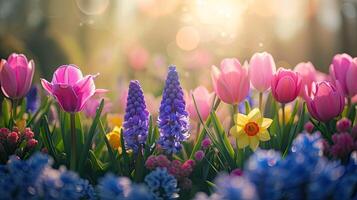
Spring Flowers Wallpapers For Desktop: Refresh Your Screen & Your Mood
Have you ever sat down at your computer in the morning, looked at your desktop, and felt a sudden, inexplicable wave of gloom? That stark, default, or forgotten background image might be doing more harm than you think. What if the simple act of changing your spring flowers wallpapers for desktop could be the key to a brighter, more focused, and creatively charged workday? In our digital lives, where screens dominate our attention, the static image behind our icons is a canvas for constant, subconscious influence. Choosing the right seasonal desktop background isn't just about aesthetics; it's a powerful tool for environmental psychology right on your monitor.
The arrival of spring symbolizes renewal, growth, and vibrant energy. Harnessing that symbolism through floral PC wallpapers allows you to bring a touch of the outdoors inside, combating the sterility of indoor office spaces or the monotony of repetitive digital tasks. Studies in environmental psychology suggest that even brief glimpses of nature—a concept known as micro-restoration—can reduce stress, improve concentration, and boost overall well-being. Your desktop is a space you inhabit for hours; curating it with beautiful spring wallpapers is a direct investment in your daily mental landscape. This guide will explore everything you need to know about selecting, optimizing, and enjoying the perfect spring flowers wallpapers for desktop, transforming your computer from a tool into a source of daily inspiration.
1. The Profound Impact of Your Desktop Background on Daily Productivity and Mood
Your desktop environment is a silent partner in your daily workflow. It’s the first thing you see when you boot up and the last thing you glance at before shutting down. This constant visual backdrop, often overlooked, plays a significant role in shaping your cognitive and emotional state. A cluttered, chaotic, or dull desktop wallpaper can subconsciously contribute to feelings of overwhelm and distraction. Conversely, a carefully chosen image of spring flowers can act as a digital breath of fresh air.
The principle of biophilic design, which emphasizes connecting built environments with nature, extends to our digital spaces. Spring flower desktop images introduce organic shapes, soft color palettes, and natural themes that our brains are evolutionarily wired to find soothing. Research indicates that exposure to nature imagery can lower cortisol levels (the stress hormone) and heart rate. In a practical sense, this means that a serene cherry blossom wallpaper or a vibrant tulip field background could be the difference between a frazzled afternoon and a calm, productive one. It’s a low-effort, high-reward form of self-care that fits seamlessly into our tech-centric lives.
Furthermore, your wallpaper can serve as a subtle form of goal priming. A wallpaper depicting a lush, blooming garden might subconsciously reinforce themes of growth and patience, aligning with long-term personal or professional projects. A bright, sunny daffodil wallpaper can inject optimism during challenging tasks. The key is intentionality. Instead of accepting whatever default or random image is on your screen, actively choose a spring flowers wallpaper for desktop that resonates with the mood you wish to cultivate. This small act of curation puts you in control of your digital atmosphere.
Practical Tips for Mood-Boosting Wallpaper Selection
- Color Psychology is Key: Soft pastels (pinks, lavenders, pale yellows) from peony or hydrangea wallpapers promote calm and creativity. Bright, warm colors (sunshine yellow, coral) from tulips or marigolds can energize and fight fatigue.
- Complexity Matters: For tasks requiring deep focus (coding, writing), opt for simpler compositions with fewer elements—a single dewdrop on a petal, a blurred field of one flower type. For creative brainstorming, more complex, detailed scenes can stimulate new connections.
- Personal Resonance: Choose flowers that have personal meaning. Did you have a favorite spring flower from your childhood garden? A lilac wallpaper might evoke happy memories and provide a deeper emotional boost than a generic stock photo.
2. Mastering Technical Perfection: Resolution, Aspect Ratio, and Cropping for Flawless Displays
You’ve found the most breathtaking image of a sun-drenched English cottage garden bursting with spring blooms. But if it’s the wrong resolution for your monitor, the result will be a pixelated, stretched, or cropped mess that does a disservice to the photo and your viewing experience. Understanding the technical specifications of your display is the non-negotiable second step after finding an aesthetically pleasing spring flowers wallpaper.
The cornerstone is resolution, measured in pixels (e.g., 1920x1080, 2560x1440, 3840x2160). Your wallpaper’s pixel dimensions must match or exceed your monitor’s native resolution. Using an image smaller than your screen forces your computer to stretch it, causing blurriness. Using an image larger is fine, as the system will downscale it, often preserving more detail. To find your screen’s native resolution on Windows, go to Settings > System > Display. On macOS, go to System Preferences > Displays.
Aspect ratio (the proportional relationship between width and height) is equally critical. Common ratios are 16:9 (widescreen), 16:10, and 21:9 (ultrawide). A 16:9 image on a 21:9 monitor will have black bars on the sides. Always match the aspect ratio. When downloading free spring wallpapers, reputable sites like Unsplash, Pexels, or Wallpaper Abyss allow you to filter by resolution and aspect ratio. For the ultimate in customization, learning basic cropping in a tool like Canva, GIMP, or even your OS’s built-in Photos app allows you to perfectly frame your favorite flower macro wallpaper for your specific screen shape.
A Quick Guide to Common Resolutions
| Monitor Type / Use Case | Common Resolution | Aspect Ratio | Best For... |
|---|---|---|---|
| Standard 24" Monitor | 1920 x 1080 | 16:9 | Most general office and home use. |
| 27" QHD Monitor | 2560 x 1440 | 16:9 | Crisper detail for designers, photographers. |
| 4K/UHD Monitor | 3840 x 2160 | 16:9 | Ultra-high detail, ideal for large screens. |
| Ultrawide Gaming/Productivity | 3440 x 1440 | 21:9 | Immersive, panoramic spring meadow wallpapers. |
Pro Tip: Look for "Retina" or "5K" versions if you have a high-DPI display like an Apple Retina MacBook or a 4K/5K PC monitor. These images have a higher pixel density (e.g., 5120x2880) and will look incredibly sharp when downscaled to your screen’s resolution.
3. Curating the Best Sources: Where to Find High-Quality, Free, and Legal Spring Flowers Wallpapers
The internet is awash with images, but not all are suitable or legal for use as desktop wallpapers. Navigating this landscape to find stunning, high-resolution spring flower backgrounds without copyright worries is crucial. The best sources prioritize quality, variety, and clear licensing.
Top-Tier Free Stock Photo Sites: Platforms like Unsplash, Pexels, and Pixabay are goldmines. They host millions of photos contributed by talented photographers under generous licenses (typically free for commercial and personal use, no attribution required). Use specific search terms: "spring flowers macro," "cherry blossom branch," "tulip field aerial," "wildflower meadow." Their built-in search filters for orientation (landscape, portrait) and size are invaluable for finding the perfect desktop-sized floral image.
Dedicated Wallpaper Communities & Apps: Websites like Wallpaper Abyss, Wallhaven, and InterfaceLIFT curate high-quality wallpapers specifically for screens. They often have user ratings, tags, and resolution filters. Mobile apps like Backdrops or Walli also offer excellent collections, with the added benefit of being curated for mobile-first but often including desktop versions.
Artist & Photographer Portfolios: For truly unique, artistic spring botanical wallpapers, seek out individual photographers on platforms like Instagram or Behance. Many offer a few free downloads or have "wallpaper" sections on their personal websites. This supports independent artists directly. Always check their specific license terms.
What to Avoid: Steer clear of generic image search results from Google or Bing without verifying the source and license. Images from social media (Pinterest, Facebook) are often reposted without permission. Using copyrighted images from commercial stock sites (like Shutterstock) without a license is illegal. Stick to the trusted sources above for a worry-free, ethical, and beautiful spring desktop refresh.
4. Exploring Popular Spring Flower Themes and Styles for Your Desktop
Not all spring flowers wallpapers are created equal. The theme and photographic style you choose will dramatically alter the feel of your digital workspace. Understanding these styles helps you align your wallpaper with your personal taste and the ambiance you want to create.
1. Macro & Detail-Oriented: These are extreme close-ups that reveal the intricate beauty of a single bloom—the velvety texture of a petal, the glistening dewdrop on a stamen, the delicate veins of a lily. This style is perfect for minimalists or those who want a serene, focused, and almost abstract background. It adds a touch of luxury and wonder without visual clutter. Think single tulip wallpaper or cherry blossom detail.
2. Lush Fields & Meadows: These images capture vast expanses of color—rolling hills of tulips in the Netherlands, endless bluebell woods in the UK, or wild poppy fields. They evoke feelings of freedom, abundance, and the grand scale of nature. They are ideal for wide or ultrawide monitors, offering an immersive, panoramic escape. A lavender field wallpaper in spring can be particularly soothing.
3. Branch & Blossom Focus: Centered on the elegant, architectural lines of tree branches heavy with blooms. Cherry blossom (sakura) and magnolia branches are classic subjects. This style combines the organic, linear beauty of the branch with the softness of the flowers, symbolizing transient beauty and renewal. It works beautifully in both portrait and landscape orientations.
4. Artistic & Watercolor: For a softer, more interpretive look, seek out watercolor paintings or digital art of spring flowers. These styles often use dreamy color palettes and fluid brushstrokes, creating a wallpaper that feels like a piece of art on your screen. They are less about photographic realism and more about evoking a mood or feeling.
5. Vintage & Botanical Illustration: Drawing from the tradition of 18th and 19th-century botanical prints, these wallpapers feature detailed, hand-drawn illustrations of flowers with scientific labels. They add a touch of classic, scholarly elegance and a connection to history and science. A vintage rose wallpaper or herbarium-style background can make a sophisticated statement.
5. Advanced Customization: Creating Your Own Unique Spring Flower Wallpapers
Why settle for a downloaded image when you can create a personalized masterpiece? With basic tools, you can design a custom spring flowers wallpaper that perfectly matches your color scheme, includes inspirational quotes, or features your own photography.
Start with Your Own Photos: If you have a garden or access to a park, take your own photos! Use your smartphone’s portrait mode for beautiful bokeh (blurred background) effects. Shoot on a cloudy day for soft, even light, or during the "golden hour" (just after sunrise or before sunset) for warm, glowing light. A photo of your own potted daffodils on your windowsill can have immense personal significance.
Use Free Design Tools:Canva is a user-friendly, web-based tool perfect for this. Start with a custom canvas set to your monitor’s exact resolution. Upload your flower photo or choose from their library of free spring images. Experiment with layering: add a semi-transparent color overlay (a soft pink or mint green) to unify the image and make desktop icons pop. Add a short, motivational quote in an elegant font in a corner. GIMP (free, powerful) or Adobe Photoshop (paid) offer more advanced control for blending, masking, and retouching.
Incorporate Functional Design: A great wallpaper considers its function. Leave a "clean zone"—a relatively simple, light area on one side (usually the right or left) where your desktop icons and taskbar won’t obscure critical details. Use a subtle vignette (darkening the edges) to draw the eye to the center and make icons stand out. Avoid overly busy patterns right behind where your most-used folders sit. The goal is beauty that doesn’t battle with utility.
6. Seasonal Rotation and Maintenance: Keeping Your Digital Space Fresh Year-Round
The beauty of spring flowers wallpapers is their timely relevance. But the best practice is to embrace seasonal desktop rotation. Just as you change your wardrobe, changing your wallpaper with the seasons keeps your digital environment dynamic and in tune with the world outside your window.
Create a Rotation Schedule:
- Spring (Mar-May):Cherry blossoms, tulips, daffodils, bluebells, peonies. Fresh greens, pastels, vibrant bursts of color.
- Summer (Jun-Aug):Sunflowers, lavender, roses, hydrangeas. Warm, saturated yellows, purples, and pinks. Lush, green foliage.
- Autumn (Sep-Nov):Chrysanthemums, autumn leaves, wheat fields. Deep oranges, reds, golds, and browns. Cozier, moodier tones.
- Winter (Dec-Feb):Amaryllis, poinsettias, snowy evergreens, frost patterns. Cool blues, whites, deep reds. Minimalist or cozy themes.
Maintenance Tips: Periodically (monthly) browse your saved wallpaper folder and delete images you’ve grown tired of. Use a simple folder structure like Wallpapers > Spring > 2024 to organize. Set a calendar reminder to switch your wallpaper every season or even every month. Many third-party apps like Wallpaper Engine (on Steam) or John’s Background Switcher can automate this process, pulling from your folders or online sources on a schedule.
Addressing Common Questions:
- "Will a busy wallpaper slow down my computer?" No. A static image has a negligible impact on performance. Only animated or video wallpapers (like those in Wallpaper Engine) use more system resources.
- "How do I set different wallpapers on multiple monitors?" Both Windows (Settings > Personalization > Background) and macOS (System Preferences > Desktop & Screen Saver) allow you to select different images for each display. Right-click on the desktop and choose "Personalize" or "Change Desktop Background" to access multi-monitor settings.
- "What about dark mode?" If you use dark mode, consider spring flower wallpapers with darker backgrounds or muted tones. Bright, white-background florals can create a harsh contrast. Look for images shot at dusk or dawn, or with deep green foliage.
Conclusion: Cultivating Beauty in the Digital Garden
In a world where we spend a significant portion of our lives looking at screens, the power of intentional design cannot be overstated. Spring flowers wallpapers for desktop are far more than decorative digital assets; they are tools for psychological well-being, productivity enhancement, and personal expression. By understanding the impact of color and composition, mastering the technical requirements for a perfect fit, sourcing from ethical and high-quality libraries, and even creating your own custom designs, you transform your desktop from a passive interface into an active source of daily inspiration.
This spring, don’t just let your computer’s background be an afterthought. Take a moment to curate. Choose an image of a blossoming branch that symbolizes renewal for your next project, a field of vibrant tulips to energize your afternoons, or a delicate watercolor peony to bring calm to your creative sessions. Let the season’s inherent beauty seep into your digital workspace, reminding you daily of growth, resilience, and the quiet joy found in a single perfect bloom. Your screen is your window to the world—make sure it’s a view that lifts your spirits every single time you log on.